
Spider control in Western North Carolina
Serving Asheville, Brevard, Cashiers, Hendersonville, Waynesville & Surrounding Areas
Finding a spider in the corner of a room or tucked into a basement shelf isn't unusual around here - Western North Carolina is home to plenty of spiders, and most of them are harmless.
But that doesn't make them any less unwelcome, and every so often, what's showing up in your home isn't one you want to leave alone.
Pisgah Pest Control has spent over 50 years helping homeowners across Asheville, Brevard, Hendersonville, Waynesville, and Cashiers deal with spiders - from the everyday house spider to the ones worth taking seriously. We'll help you figure out what you're dealing with and take care of it properly.
Seeing more spiders than usual? Go ahead and give us a call.
Why spiders are so common in WNC homes
The wooded surroundings and mountain climate that make this area beautiful also make it ideal spider territory. Spiders follow their food source, and that means they follow insects - so if your home has other bugs getting in, spiders aren't far behind.
Crawl spaces, basements, and garages are especially attractive to spiders because they're quiet, undisturbed, and usually have a steady supply of insects to feed on. Cooler months push spiders to look for shelter indoors, while spring and summer bring an uptick in activity as they're out looking to feed and breed.
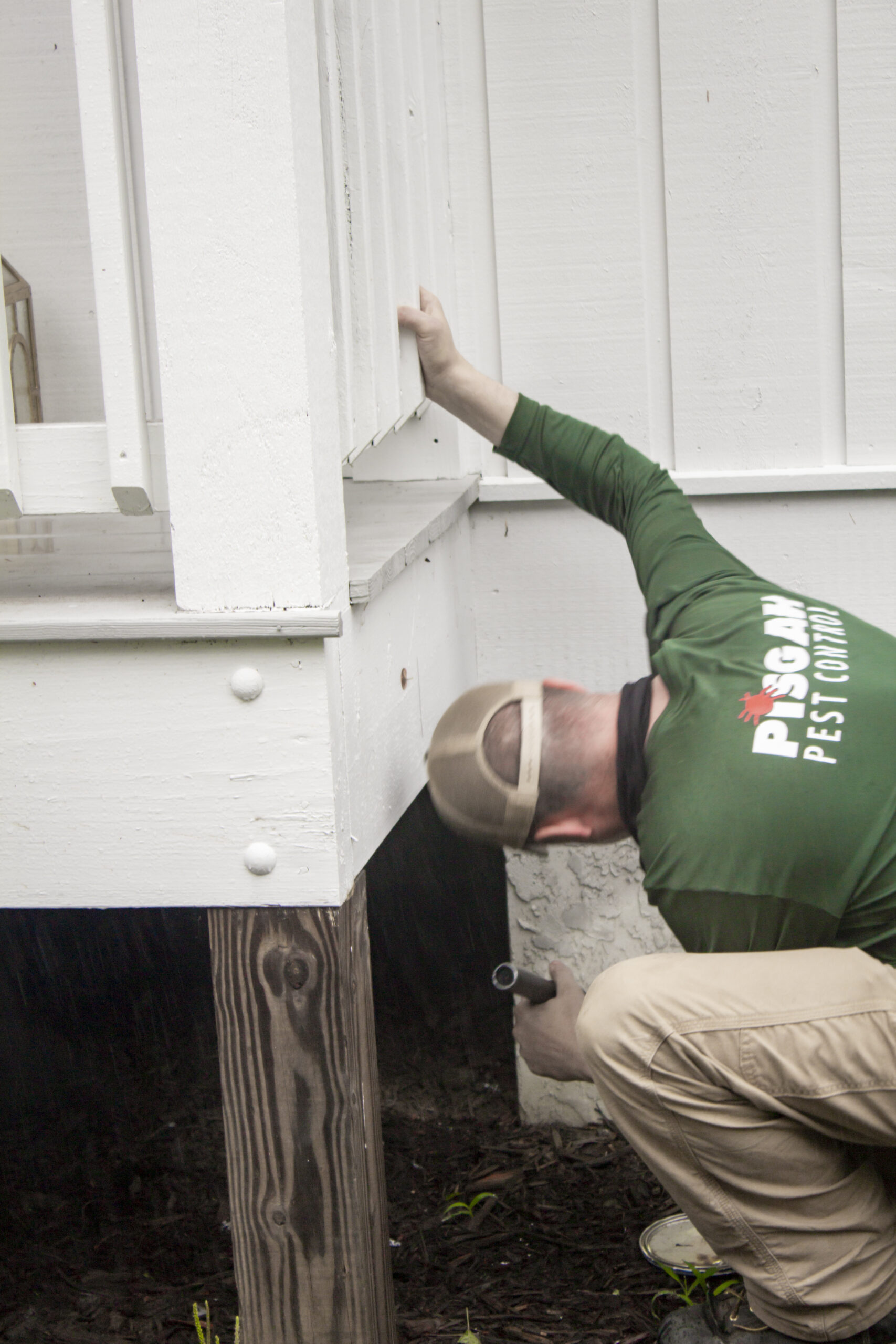
Common entry points for spiders in WNC homes
- Gaps around windows and door frames
- Vents and openings into the crawl space or basement
- Cracks in the foundation
- Around exterior lighting, where insects gather and spiders follow
- Firewood or storage boxes brought in from outside
Common spiders found in Western North Carolina
Most spiders you'll come across in this region are harmless and actually help keep other insect populations down. But it helps to know what you're looking at.
House spiders
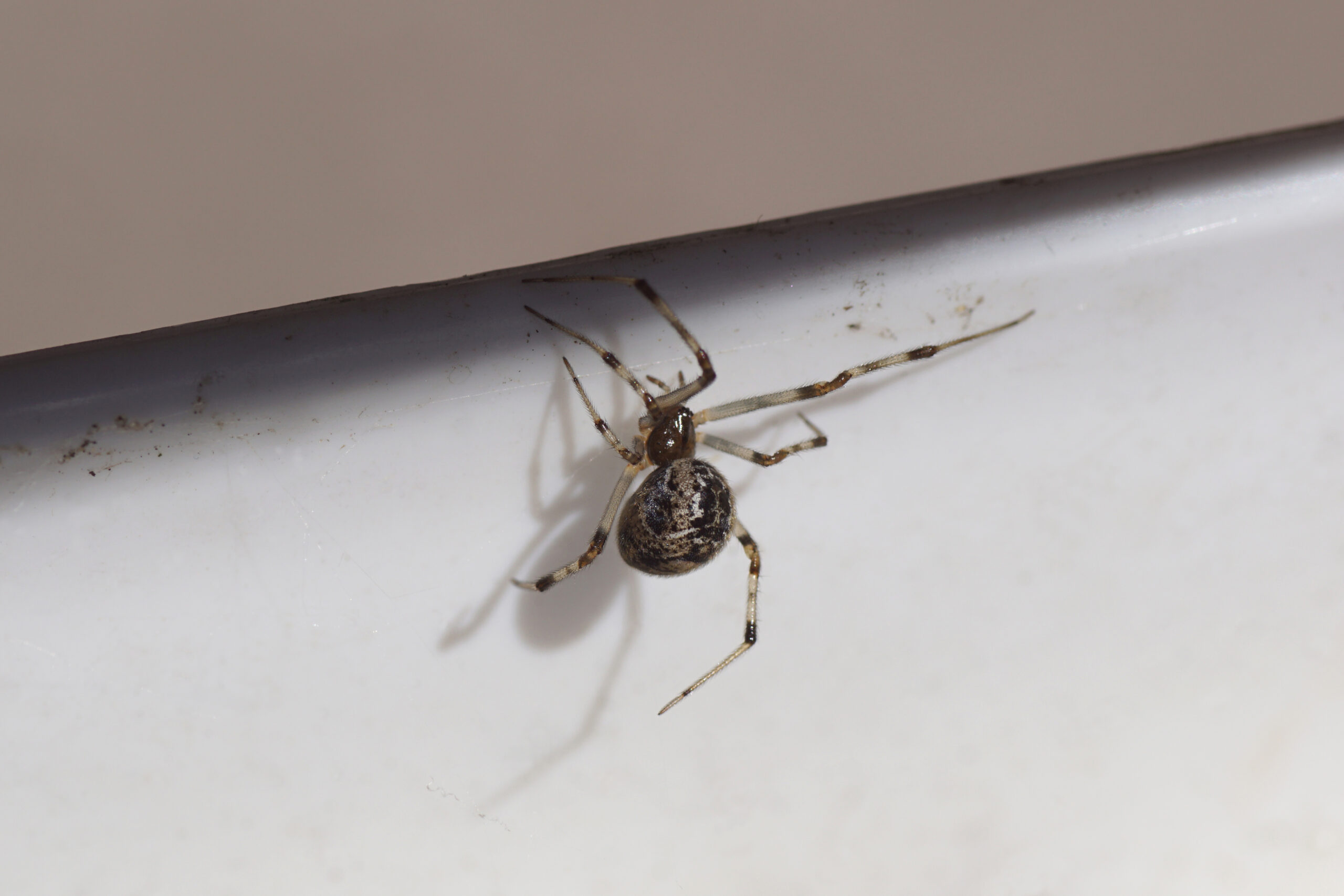
Small, brown, often found in corners, closets, and basements. Build the classic cobweb-style webs.
Wolf spiders
Large, fast-moving, and often mistaken for something more dangerous. They don't build webs and tend to hide in dark, low areas like crawl spaces and garages.
Cellar spiders (sometimes called daddy long-legs)
Thin, long-legged, commonly found in damp basements and crawl spaces.
Orb weavers
The ones responsible for the large, intricate webs you'll often see outdoors in fall.
Spiders worth taking seriously
Western North Carolina is also home to two spiders that are genuinely venomous and worth knowing how to identify:
Black widow
Glossy black body with a red hourglass marking on the underside. Tends to favor dark, undisturbed spaces like woodpiles, sheds, and crawl spaces.
Brown recluse
Light to medium brown, with a darker violin-shaped marking on its back. Prefers dry, secluded areas like basements, closets, and storage boxes.
Both are far more interested in staying hidden than confronting anyone, but bites do happen, usually when a spider is disturbed in storage or hiding in clothing or shoes. If you think you've found either of these, it's worth having a professional confirm it rather than handling it yourself.
Frequently asked questions
Are spiders in North Carolina dangerous?
Most spiders found in WNC homes are harmless and actually help control other insect populations. The two to be cautious of are the black widow and the brown recluse, both of which are present in this region. Bites from either are uncommon but should be taken seriously, especially if you notice swelling, pain, or other symptoms after a suspected bite.
Why do I keep finding spiders in my basement or crawl space?
These areas are quiet, undisturbed, and often have a steady source of insects for spiders to feed on. If you're seeing repeated activity, it usually points to an underlying insect issue or an entry point that hasn't been sealed.
How can I tell if it's a brown recluse?
Brown recluses are light to medium brown with a darker, violin-shaped marking behind the head. They prefer dark, dry, undisturbed spaces like closets and storage boxes. If you're not confident identifying it yourself, it's worth having one of our technicians take a look rather than approaching it directly.
Will spider control also help with other pests too?
Often, yes. Since spiders are drawn in by other insects, treating the broader pest activity around your home tends to reduce spider sightings as a result. Our technicians will flag any related issues during inspection.
How often should spider control be done?
For most WNC homes, quarterly treatment through a HomeSafe plan keeps activity consistently low year-round. A one-time treatment can clear an active issue, but ongoing service does a better job of preventing it from coming back.
Do you treat for black widows specifically?
Yes. If a black widow or brown recluse is confirmed on your property, our technicians will treat the specific areas where they're likely to be hiding, including woodpiles, sheds, crawl spaces, and storage areas.
Year-Round Protection for Your Home
HomeSafe plans
Choose the level of protection that's right for your family. All plans include recurring service visits and our satisfaction guarantee.
HomeSafe Basic
Essential year-round coverage
- Mice & Rats
- Spiders & Fleas
- Household & Carpenter Ants
- Hornets, Wasps & Yellow Jackets
- Cockroaches
- Stored Product Pests
- Termites
- Mosquito Control
- Ladybugs & Stinkbugs
- Carpenter Bees
HomeSafe Plus
Covers Sentricon® termite monitoring & maintenance
- Mice & Rats
- Spiders & Fleas
- Household & Carpenter Ants
- Hornets, Wasps & Yellow Jackets
- Cockroaches
- Stored Product Pests
- Termites (Sentricon® Maintenance)
- Ladybugs & Stinkbugs
- Mosquito Control
- Carpenter Bees
HomeSafe Premium
Complete whole-home protection
- Mice & Rats
- Spiders & Fleas
- Household & Carpenter Ants
- Hornets, Wasps & Yellow Jackets
- Cockroaches
- Stored Product Pests
- Termites (Sentricon® Maintenance)
- Ladybugs & Stinkbugs
- Mosquito Control
- Carpenter Bees
- Initial visits may be subject to an upcharge
- Sentricon Termite Baiting System has a one time installation fee
- Prices based on house 5000 sq. ft. or less, must call over 5000 sq. ft. for pricing

If problems with covered pests listed on your contract arise between services, we will return at no charge




