
Hornet, wasp & yellow jacket removal in WNC
Found a nest on your property? Pisgah Pest Control safely removes hornets, wasps and yellow jackets across Asheville, Brevard, Cashiers, Hendersonville, Waynesville and beyond.
Finding a nest under your eaves, in a wall void, or out in the yard is one of those problems that needs handling carefully.
Stinging insects can be aggressive when their nest is threatened, and trying to deal with it yourself isn't worth the risk, especially if anyone in your home has an allergy.
Pisgah Pest Control has been helping homeowners across Asheville, Brevard, Hendersonville, Waynesville, and Cashiers safely remove hornets, wasps, and yellow jackets for over 50 years. We know where they nest, how they behave, and how to remove them without putting your family at risk.
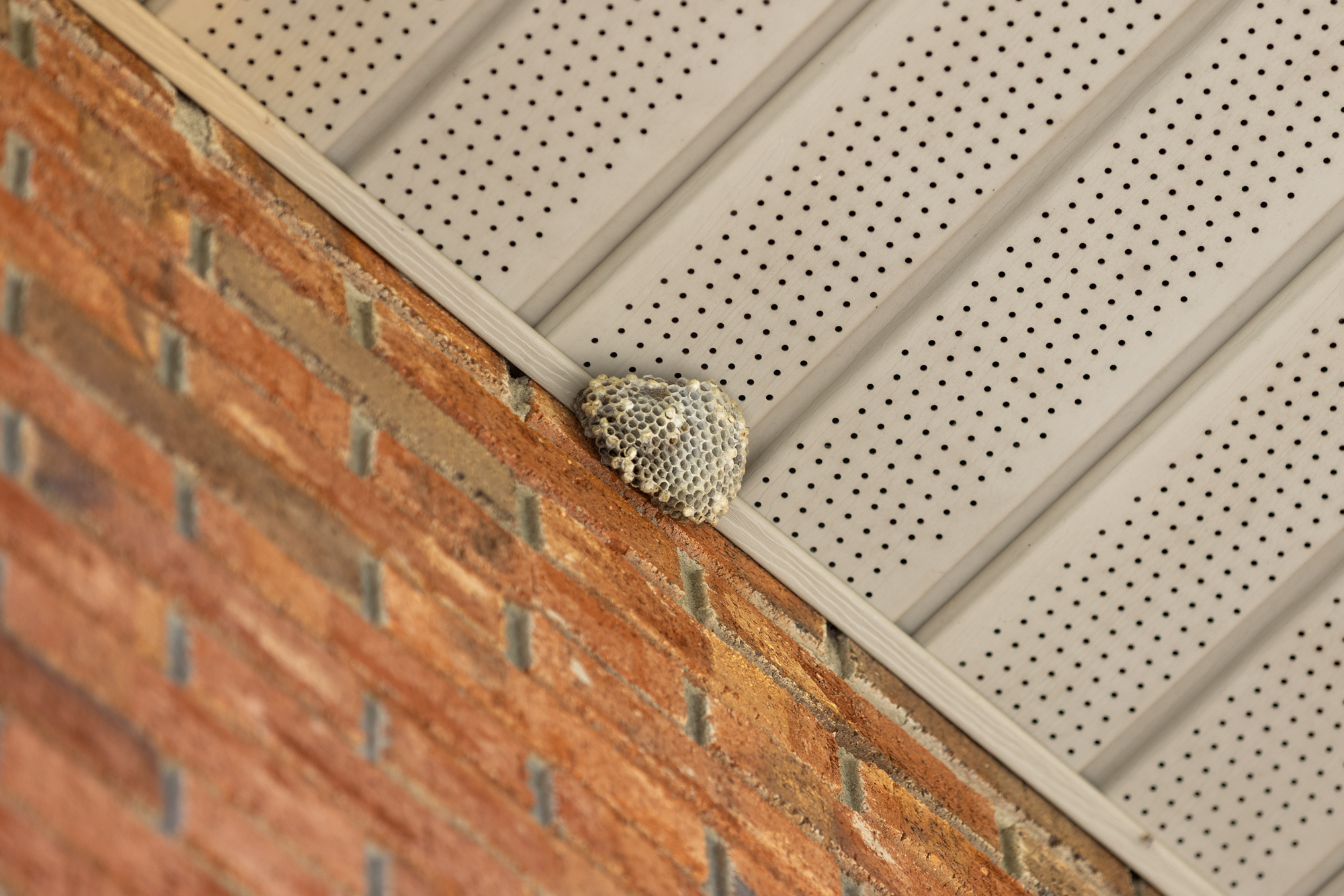
Found a nest on your property? Go ahead and give us a call before getting close to it.
Why stinging insects are common in WNC
The wooded surroundings and mild climate across Western North Carolina make good nesting territory for hornets, wasps, and yellow jackets. Activity typically builds through spring and summer as colonies grow, often peaking in late summer when nests are at their largest and most defensive.
Homes near tree lines, with eaves, sheds, or undisturbed outdoor areas, tend to see more nesting activity, since these insects look for sheltered, protected spots to build.
Common nesting locations for hornets, wasps and yellow jackets
- Under eaves, decking, and roof overhangs
- Inside wall voids, attics, or sheds
- In the ground, particularly for yellow jackets
- Tree branches and shrubs
- Around outdoor structures like playsets or storage sheds
Telling hornets, wasps, and yellow jackets apart
You don't need to identify the exact species before calling us, but it helps to know roughly what you're dealing with.
Hornets
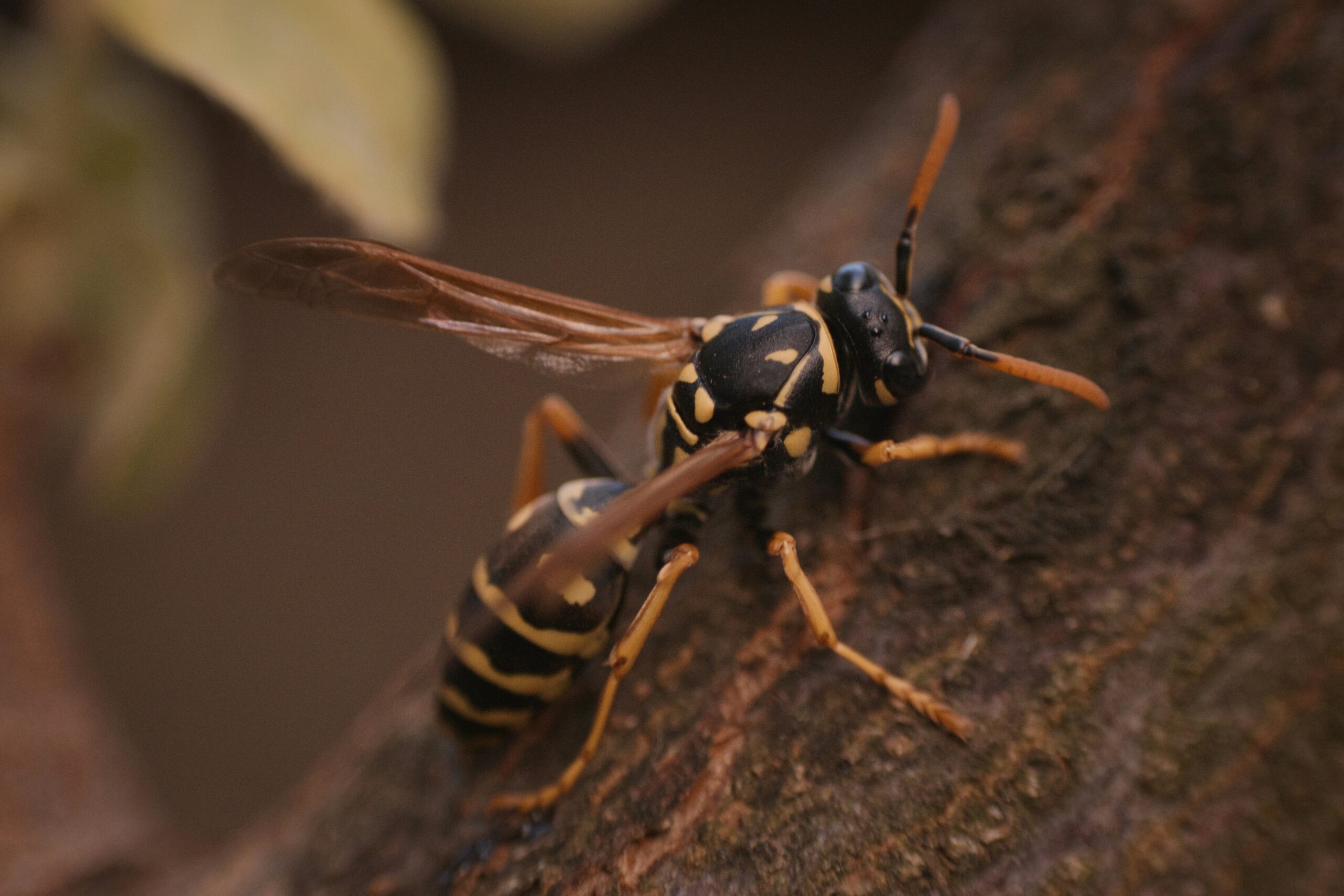
- Larger and more robust than wasps, often black and white or brown
- Build large, enclosed paper nests, typically high up in trees or under eaves
- Tend to be more aggressive when a nest is disturbed
Wasps
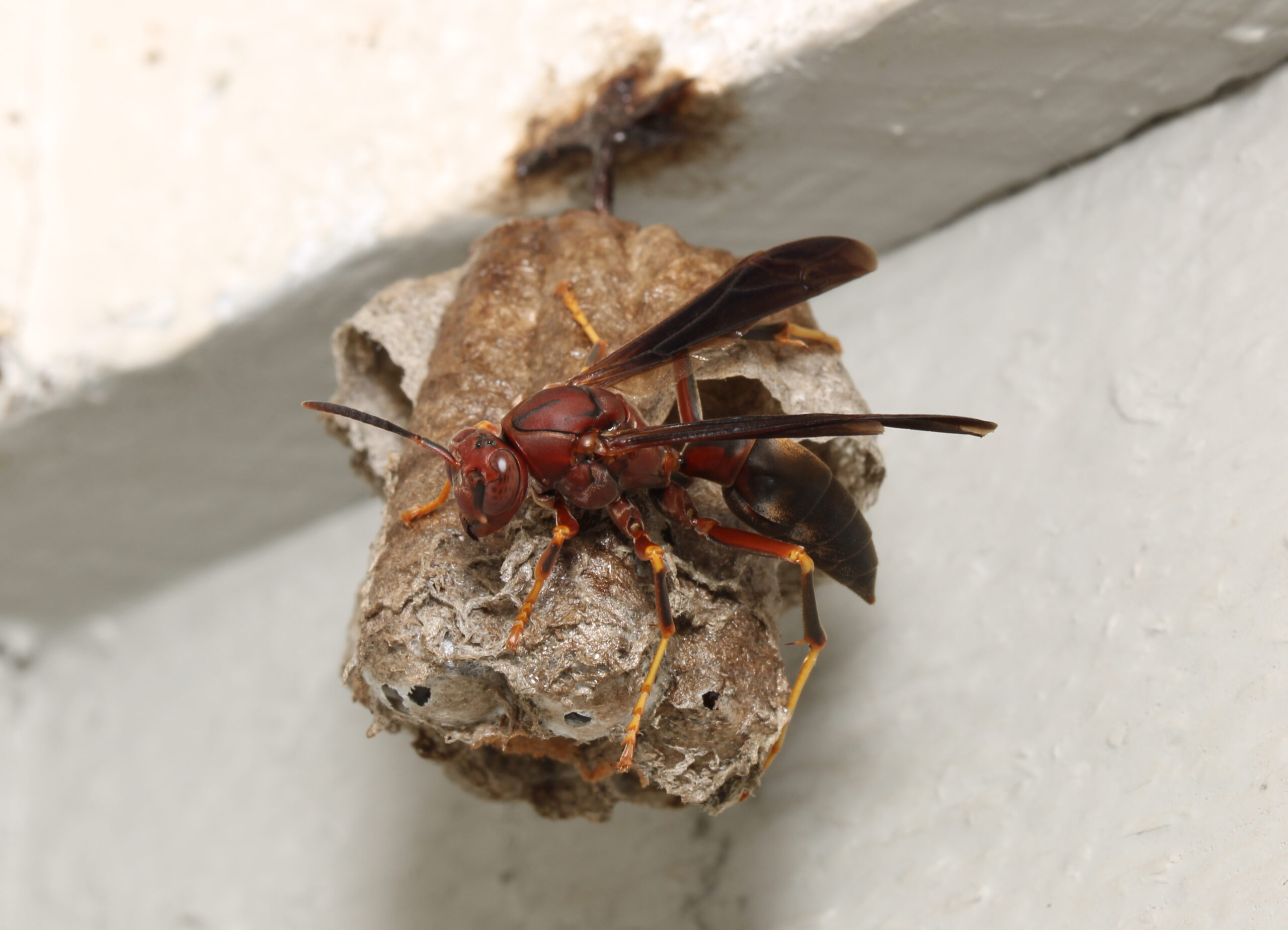
- Slender body with long legs that hang down in flight
- Build open, umbrella-shaped paper nests, often under eaves or in sheltered corners
- Generally less aggressive than hornets or yellow jackets unless the nest is directly disturbed
Yellow jackets
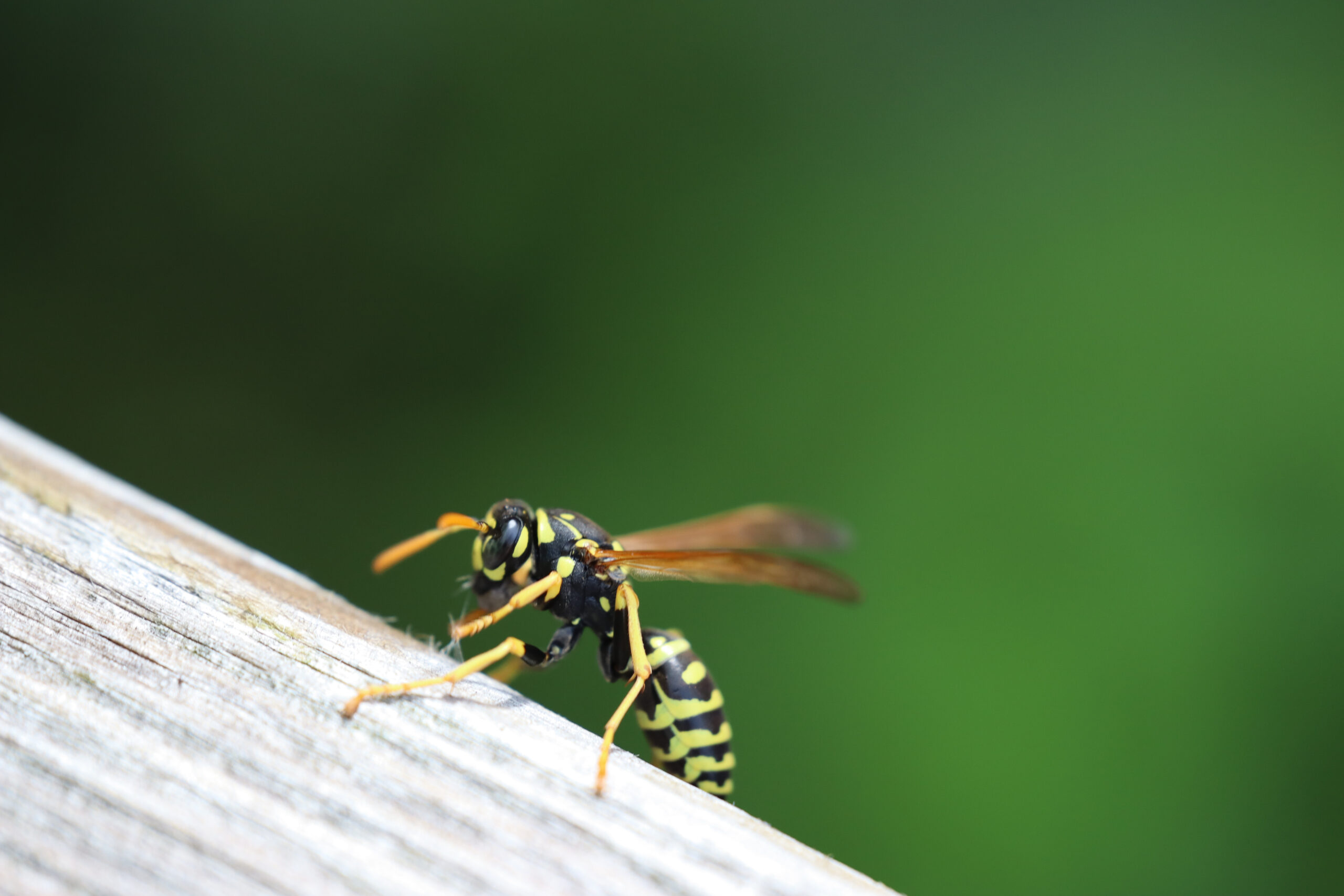
- Smaller, with bold yellow and black banding
- Often nest in the ground or in wall voids, which makes them easy to disturb accidentally
- Known for being the most aggressive of the three, particularly later in the season
Why you shouldn't try to remove a nest yourself
It's tempting to grab a can of spray and handle it on your own, but nests are often bigger than they look from the outside, and disturbing one without the right equipment can provoke a defensive swarm. Ground nests and wall voids are especially risky since it's easy to underestimate how established the colony is.
This matters even more if anyone in your home has a known allergy to stings, since a multiple-sting event from a disturbed nest can turn a manageable situation into a medical emergency.
What Pisgah does about hornets, wasps & yellow jackets
Inspection first
We start by locating the nest and identifying which insect we're dealing with, since that affects the right approach. Some nests are easy to spot, while others, particularly ground nests or those inside wall voids, take a closer look to find.
Treatment
Depending on the nest location and species, treatment may include:
- Direct nest treatment using equipment and products designed to neutralize the colony safely
- Removal of the nest once activity has been addressed
- Treatment of ground nests, which often requires a different approach than aerial nests
Follow-up to confirm the colony has been fully addressed, since a partially treated nest can still pose a risk
We come prepared with the right protective equipment and treatment methods so the job gets done safely on the first visit.
Ongoing prevention with HomeSafe
Stinging insects often return to the same areas of a property year after year if the conditions are right. Our HomeSafe residential plans include treatment for hornets, wasps, and yellow jackets as part of regular service, helping catch new nesting activity early before it becomes established.
Tips to help prevent nests around your home
- Seal gaps around eaves, soffits, and siding where insects can access wall voids
- Keep an eye on outdoor structures like sheds and playsets early in the season, before nests get established
- Trim back trees and shrubs touching the house
- Cover or screen gutters and downspouts where nests sometimes form
- If you spot a small nest early in the season, call before it has a chance to grow
Frequently asked questions
How can I tell the difference between a wasp and a hornet?
Hornets are larger and more robust, often black and white or brown, and tend to build large enclosed nests high up in trees or under eaves. Wasps are slimmer with legs that hang down in flight, and build open umbrella-shaped nests. If you're not sure, our technicians can identify it for you.
Are yellow jackets more dangerous than wasps or hornets?
Yellow jackets are generally considered the most aggressive of the three, especially later in the season when colonies are largest. They often nest in the ground or in wall voids, which means they're easy to disturb without realizing a nest is there.
Is it safe to remove a nest myself?
It's not something we'd recommend. Nests are often more established than they appear, and disturbing one can provoke a defensive swarm. This is especially risky if anyone in your household has a sting allergy.
What should I do if I find a nest on my property?
Keep your distance and avoid disturbing it, then give us a call. We'll identify the type of nest and the safest way to remove it.
When are hornets, wasps, and yellow jackets most active in WNC?
Activity builds through spring and summer, typically peaking in late summer as colonies reach their largest size. This is also when nests tend to be most defensive.
How quickly can Pisgah remove a nest?
We understand nests need prompt attention, especially if they're in a high-traffic area of your property. Call us and we'll get out to assess and treat it as quickly as we can.
Year-Round Protection for Your Home
HomeSafe plans
Choose the level of protection that's right for your family. All plans include recurring service visits and our satisfaction guarantee.
HomeSafe Basic
Essential year-round coverage
- Mice & Rats
- Spiders & Fleas
- Household & Carpenter Ants
- Hornets, Wasps & Yellow Jackets
- Cockroaches
- Stored Product Pests
- Termites
- Mosquito Control
- Ladybugs & Stinkbugs
- Carpenter Bees
HomeSafe Plus
Covers Sentricon® termite monitoring & maintenance
- Mice & Rats
- Spiders & Fleas
- Household & Carpenter Ants
- Hornets, Wasps & Yellow Jackets
- Cockroaches
- Stored Product Pests
- Termites (Sentricon® Maintenance)
- Ladybugs & Stinkbugs
- Mosquito Control
- Carpenter Bees
HomeSafe Premium
Complete whole-home protection
- Mice & Rats
- Spiders & Fleas
- Household & Carpenter Ants
- Hornets, Wasps & Yellow Jackets
- Cockroaches
- Stored Product Pests
- Termites (Sentricon® Maintenance)
- Ladybugs & Stinkbugs
- Mosquito Control
- Carpenter Bees
- Initial visits may be subject to an upcharge
- Sentricon Termite Baiting System has a one time installation fee
- Prices based on house 5000 sq. ft. or less, must call over 5000 sq. ft. for pricing

If problems with covered pests listed on your contract arise between services, we will return at no charge




