
Mice & rat control in Western North Carolina
Serving Asheville, Brevard, Cashiers, Hendersonville, Waynesville & surrounding areas
If you've heard scratching in the walls, found droppings in the kitchen, or spotted something dart across the floor, you're probably dealing with a rodent problem.
It happens a lot out here in the mountains, and it's nothing to be embarrassed about. The good news is it's a fixable problem - and the sooner you go ahead and call, the easier it is to deal with.
Pisgah Pest Control has been helping homeowners across Asheville, Brevard, Hendersonville, Waynesville, and Cashiers with rodent problems for over 50 years. We know exactly where mice and rats get in, how they move through a home, and what it takes to get them out and keep them out.
Think you might have a rodent problem?
Why WNC homes are especially vulnerable to mice and rats
Western North Carolina is beautiful country, but the wooded surroundings, older housing stock, and mountain climate create ideal conditions for mice and rats to find their way inside.
As temperatures drop in the fall - and they drop fast up here - rodents start looking for somewhere warm to nest. Your home, with its crawl space, attic, and foundation gaps, looks like a pretty good option to them.

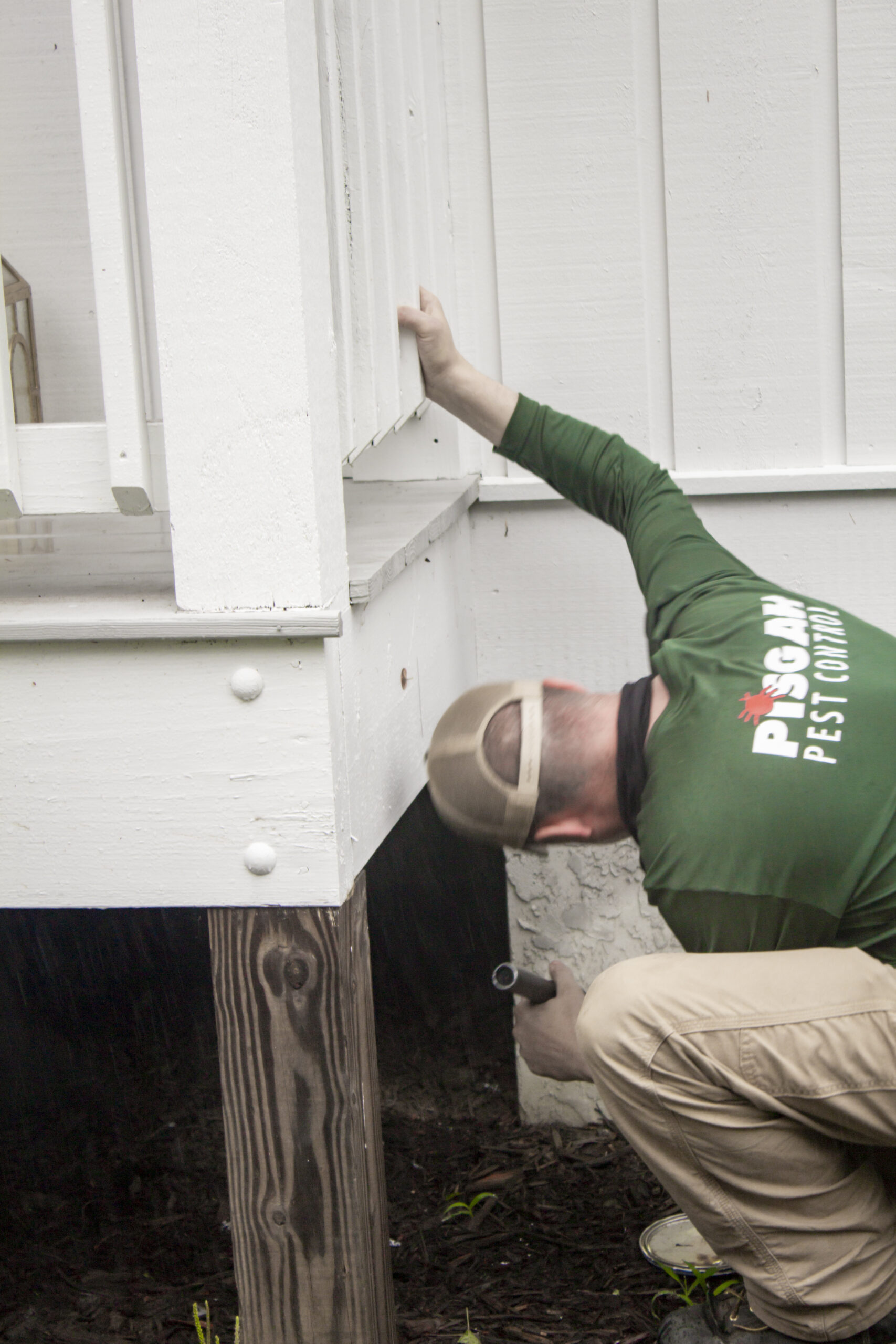
Common entry points in WNC homes
Mice can squeeze through a gap about the size of a dime. Rats don't need much more. Some of the most common ways they get in around here include:
- Gaps around pipes and utility lines entering the crawl space or basement
- Cracks in the foundation or sill plate
- Gaps under doors, especially back doors and garage doors
- Vents that have lost their covers or screens
- Openings where cables or HVAC lines come through the wall
Older homes in areas like Brevard and Hendersonville tend to have more of these entry points simply because of their age - but even newer builds aren't immune, especially once they start to settle.
How to tell if you have mice or rats
Most people hear or see something before they find physical evidence. Here's what to look for...
Signs of mice
Small, dark droppings (about the size of a grain of rice) near food storage, under sinks, or along baseboards
Gnaw marks on food packaging, wood, or wiring
Shredded paper, insulation, or fabric used for nesting
Scratching or rustling sounds in walls or ceilings, often at night
A faint musty smell in enclosed spaces
Signs of rats
Larger droppings (closer to the size of an olive stone)
Gnaw marks on harder materials — rats have stronger teeth and will work through wood, plastic, and even soft metals
Burrow holes around the foundation or in crawl spaces
Grease smears along walls where they travel regularly
Heavier thumping or movement sounds, particularly in the crawl space or attic
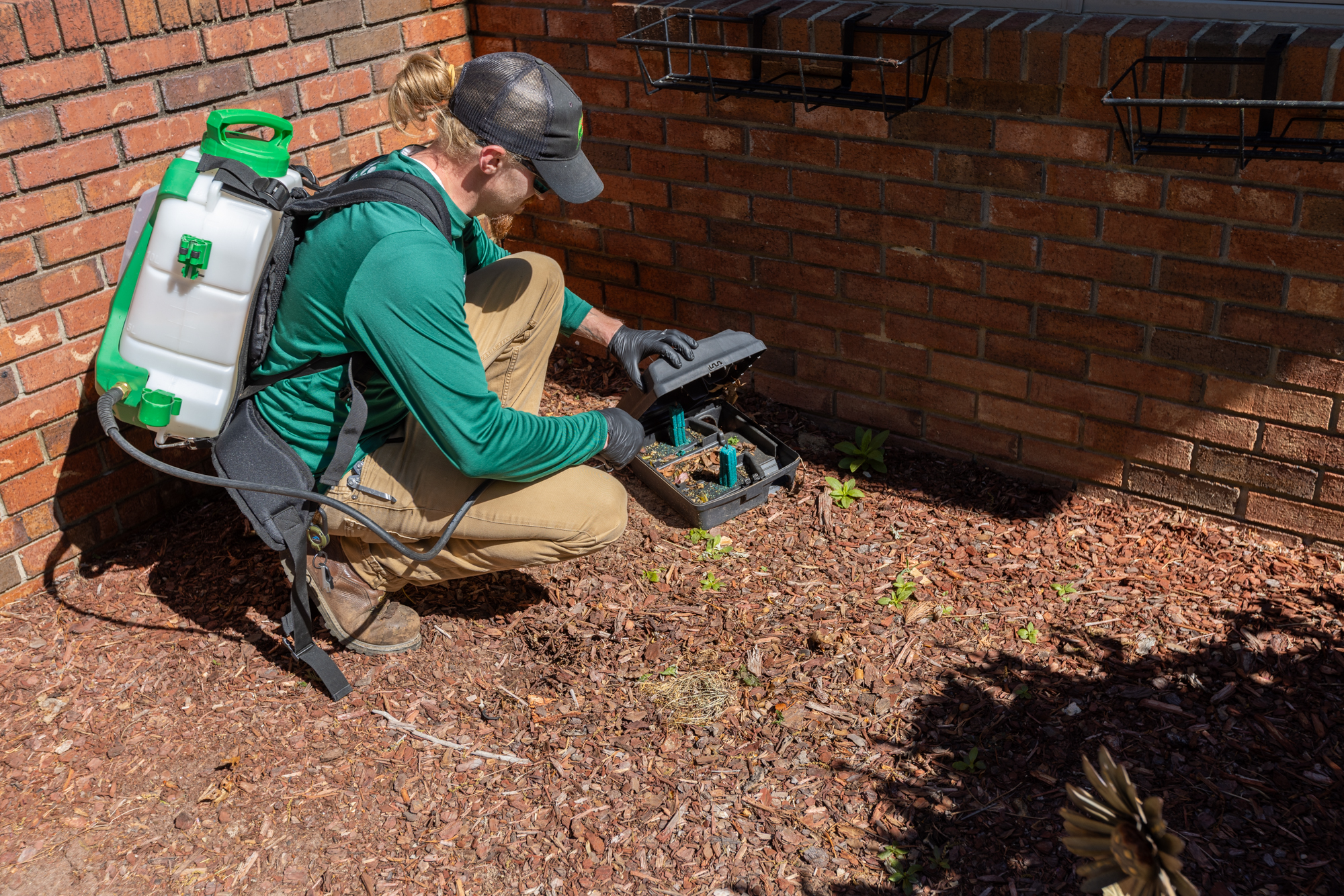
Is DIY Rodent Control Safe Around Pets and Kids in Your Asheville Home?
There’s no such thing as truly pet safe mouse poison, whatever the label says. No rodent control product is risk free around pets and kids. What lowers the risk is how it’s used: tamper-resistant stations, placement away from where your family and pets spend time, and someone checking on it. DIY methods like open bait, glue boards, and unprotected snap traps are where the risk tends to creep in.
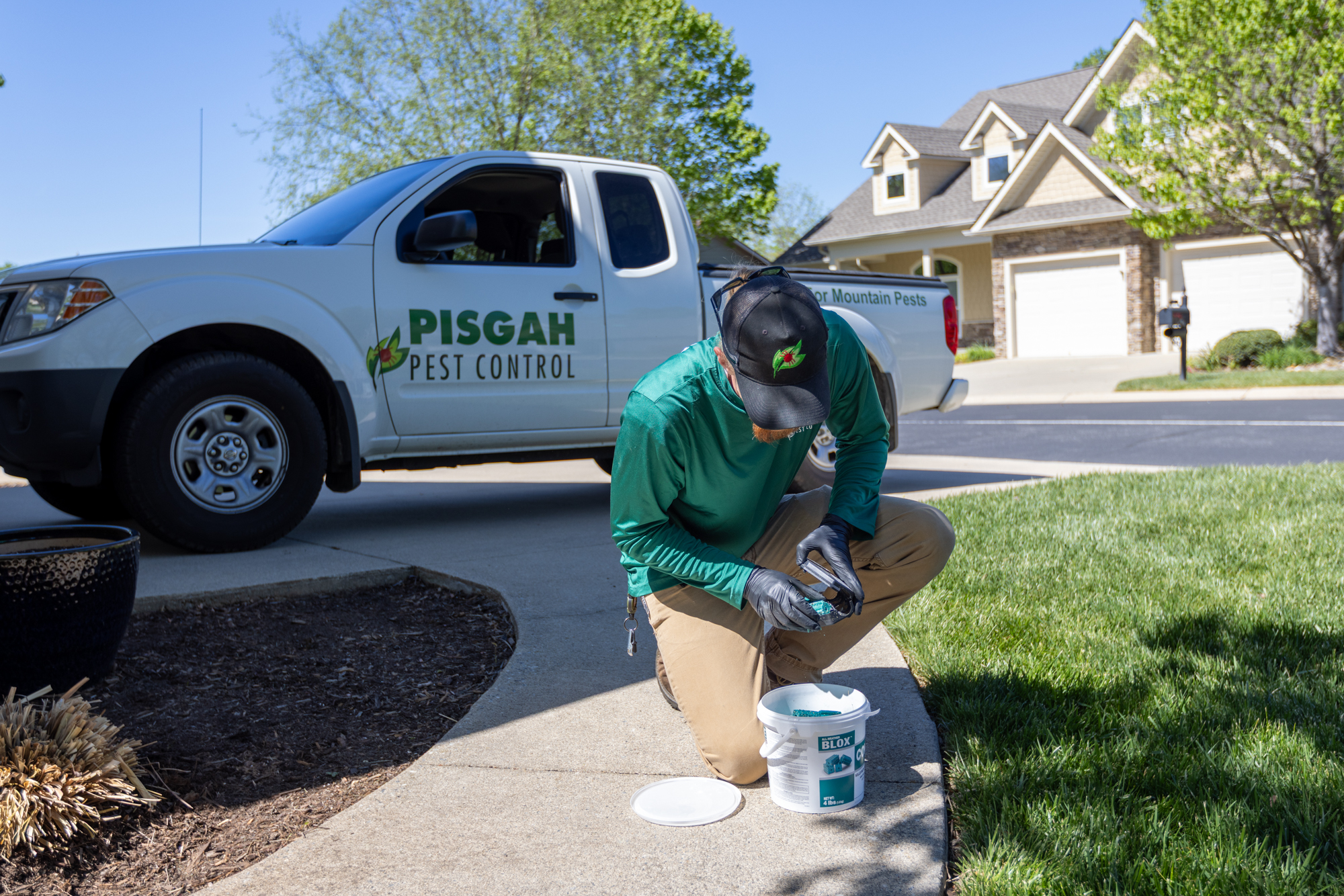
I Saw One Mouse, How Many Do I Actually Have? Signs of Mice and Rats in Your Asheville Home
One mouse usually means more than one, though that doesn’t automatically mean a big problem. Mice breed fast, so a single sighting is worth taking seriously, but there’s no reliable way to put a number on it from the mouse alone. The signs around your house tell you far more. Droppings, gnaw marks, rub marks along walls, nesting material, and noises at night show whether you’re dealing with a one-off or a group that’s settled in.
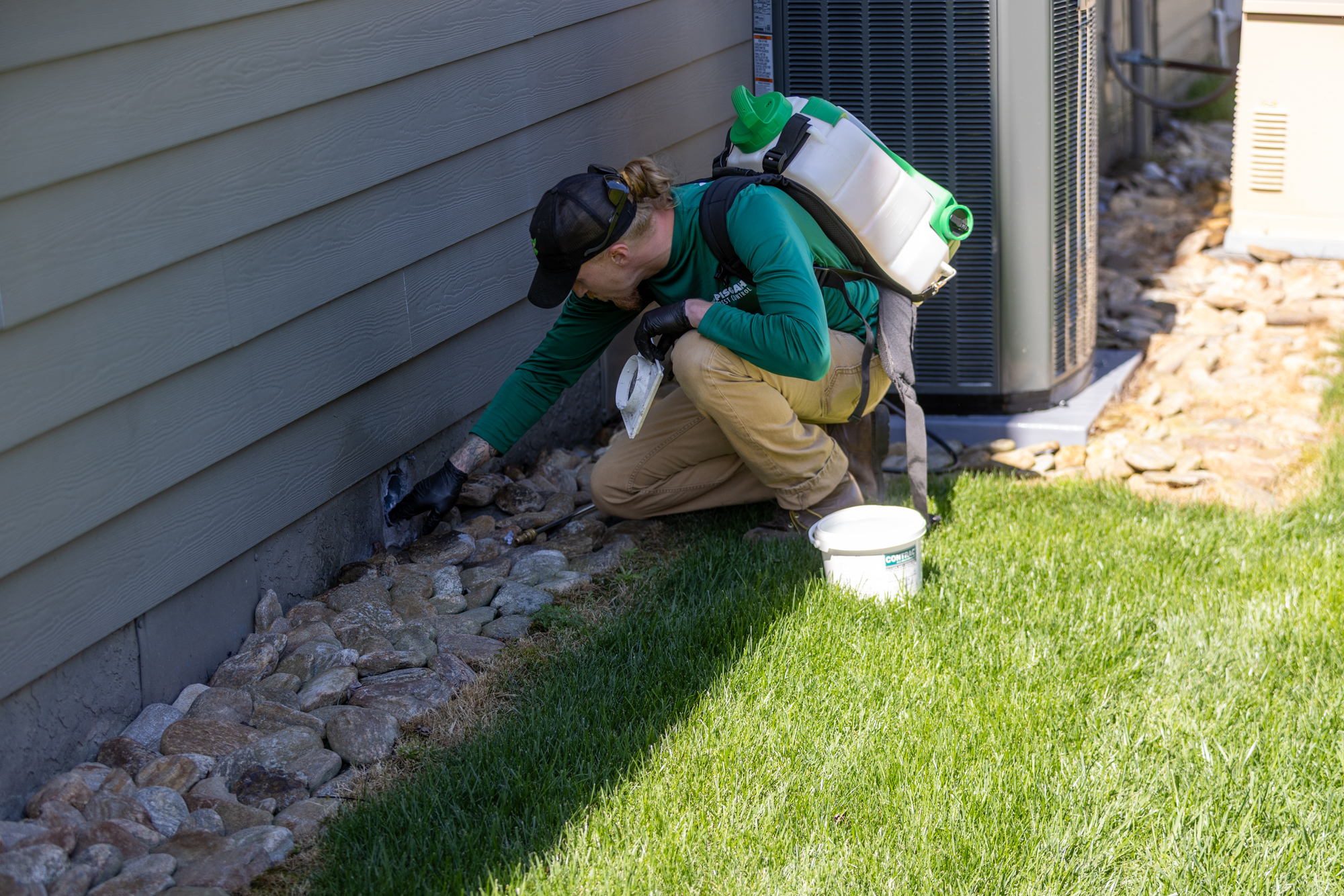
How Do Mice and Rats Get Into Asheville Homes When It Gets Cold?
As temperatures drop across Asheville and the surrounding mountains, mice and rats start looking for a warmer place to ride out the cold, and a house is exactly what they’re after. Both can squeeze in through openings most homeowners would never think twice about, from a gap the width of a pencil around a utility line to a worn seal under a garage door. Once inside, they tend to settle into crawl spaces, wall voids, and attics, three spots that are especially common in older Western North Carolina homes.
Frequently asked questions
How do I know if I have mice or rats in my WNC home?
The most reliable signs are droppings, gnaw marks, and sounds of movement - usually at night. Mice tend to stay close to food sources and produce small rice-sized droppings, while rats leave larger evidence and often burrow near the foundation or in crawl spaces. If you're not sure, go ahead and give us a call - we can come out and take a look.
How do mice get into mountain homes?
Gaps around pipes, foundation cracks, loose vents, and openings around utility lines are the most common entry points. Mice need very little space - a gap the size of a dime is enough. Older homes common to the Brevard and Hendersonville areas tend to have more of these vulnerabilities, but any home can be affected.
Is rodent control safe for pets and children?
Yes, when done by a professional. We place bait stations and traps in locations your pets and kids can't easily reach, and we use tamper-resistant stations as standard. We'll always let you know exactly where everything has been placed and what precautions to take.
Will I need more than one treatment?
It depends on the size of the problem. A small, contained infestation might be resolved in a single visit with a follow-up check. A larger problem, or one that involves significant entry points, usually benefits from ongoing monitoring. Our HomeSafe plans are a cost-effective way to keep rodent control built into your regular pest service throughout the year.
What time of year are mice and rats worst in Western North Carolina?
Activity picks up significantly in late fall as temperatures drop and rodents look for somewhere to overwinter. That said, we see rodent calls year-round - spring activity increases too as populations that overwintered start moving around again. The best approach is consistent monitoring rather than waiting for a problem to show up.
Year-Round Protection for Your Home
HomeSafe plans
Choose the level of protection that's right for your family. All plans include recurring service visits and our satisfaction guarantee.
HomeSafe Basic
Essential year-round coverage
- Mice & Rats
- Spiders & Fleas
- Household & Carpenter Ants
- Hornets, Wasps & Yellow Jackets
- Cockroaches
- Stored Product Pests
- Termites
- Mosquito Control
- Ladybugs & Stinkbugs
- Carpenter Bees
HomeSafe Plus
Covers Sentricon® termite monitoring & maintenance
- Mice & Rats
- Spiders & Fleas
- Household & Carpenter Ants
- Hornets, Wasps & Yellow Jackets
- Cockroaches
- Stored Product Pests
- Termites (Sentricon® Maintenance)
- Ladybugs & Stinkbugs
- Mosquito Control
- Carpenter Bees
HomeSafe Premium
Complete whole-home protection
- Mice & Rats
- Spiders & Fleas
- Household & Carpenter Ants
- Hornets, Wasps & Yellow Jackets
- Cockroaches
- Stored Product Pests
- Termites (Sentricon® Maintenance)
- Ladybugs & Stinkbugs
- Mosquito Control
- Carpenter Bees
- Initial visits may be subject to an upcharge
- Sentricon Termite Baiting System has a one time installation fee
- Prices based on house 5000 sq. ft. or less, must call over 5000 sq. ft. for pricing

If problems with covered pests listed on your contract arise between services, we will return at no charge




