
Our Buzzworthy bug blog
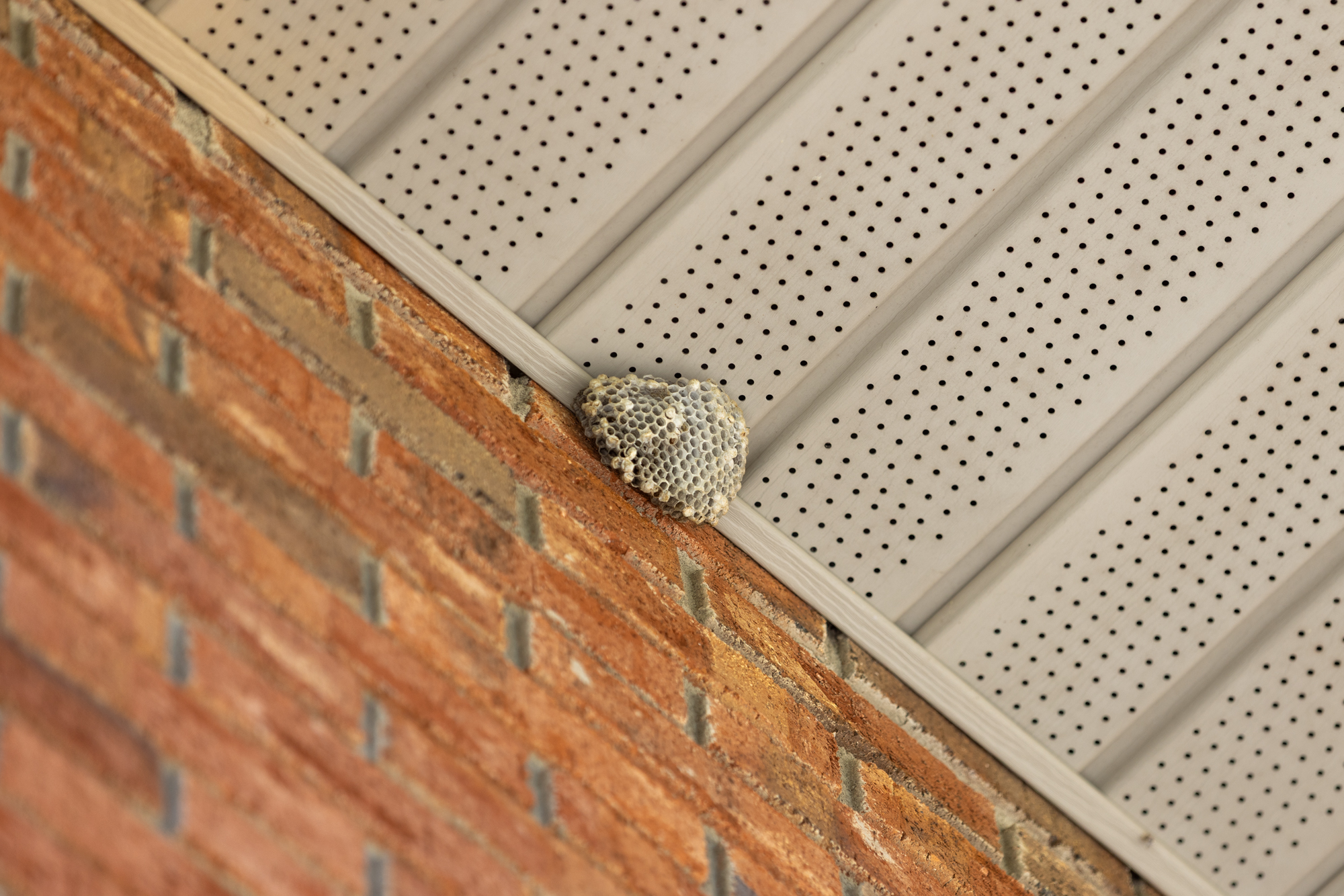
Is it safe to remove a wasp, hornet, or yellow jacket nest yourself?
Removing a wasp, hornet, or yellow jacket nest yourself is riskier than it looks because the danger isn’t just getting stung once, it’s misjudging how big the colony actually is, how it will respond once disturbed, and how likely you are to end up with multiple stings instead of one. A nest that looks small and contained from a few feet away may hold hundreds or even thousands of workers, depending on the species and location. A can of store-bought spray rarely reaches or eliminates the full colony. For most WNC homeowners, especially by late summer or fall, this is a job that carries more risk than a quick weekend fix suggests.
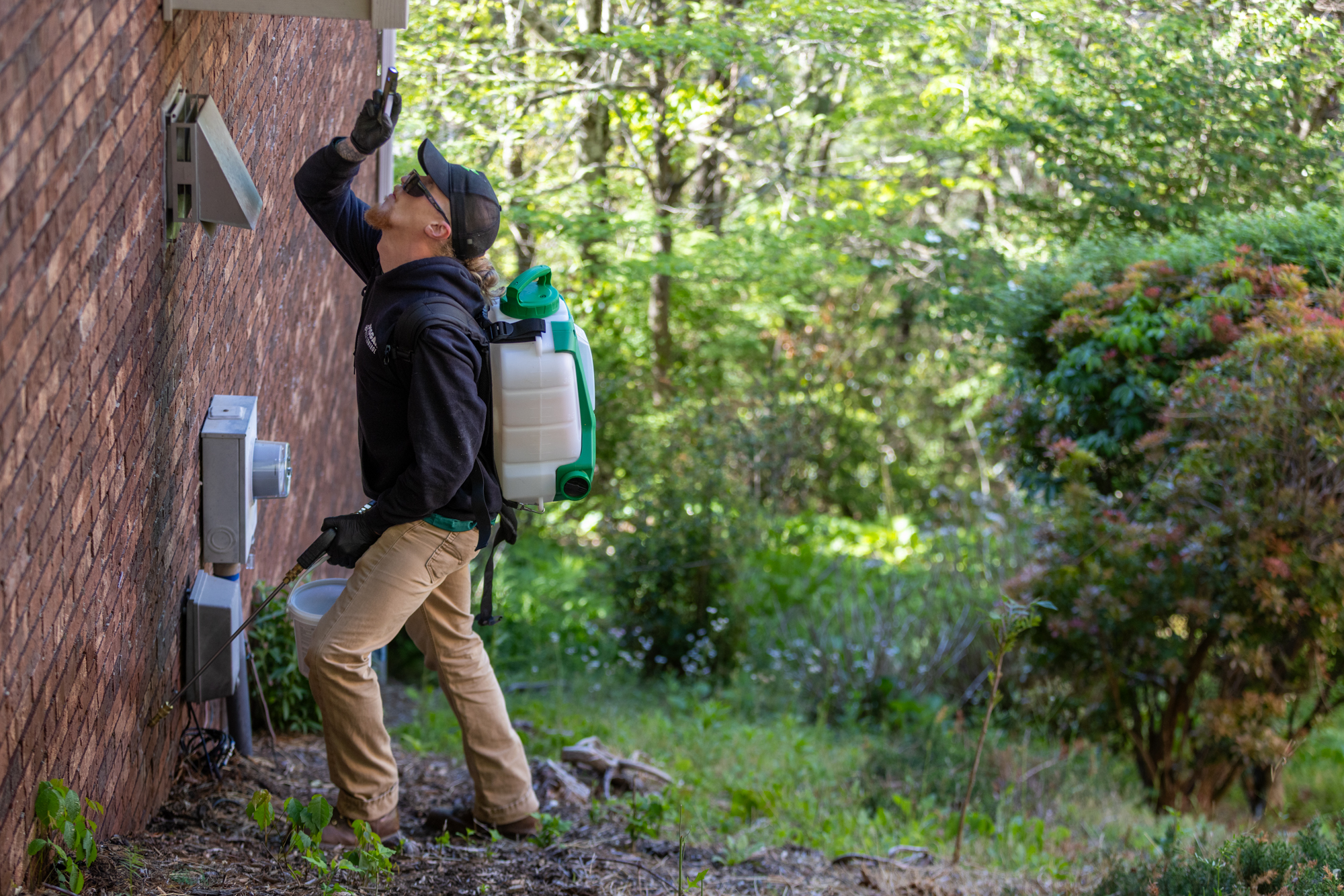
Why do yellow jackets get more aggressive in late summer and fall in WNC?
Yellow jackets get more aggressive in late summer and fall because their colonies are at peak size and their food source is shifting at the same time. A nest that might house a few hundred workers in June can hold several thousand by September, and as natural food gets scarcer, those workers switch from hunting insects to chasing sugar, which is exactly when they start showing up around trash cans, fallen fruit, and anything sweet on your porch. It’s less about yellow jackets suddenly turning mean and more about a colony under pressure at the exact moment resources are drying up.
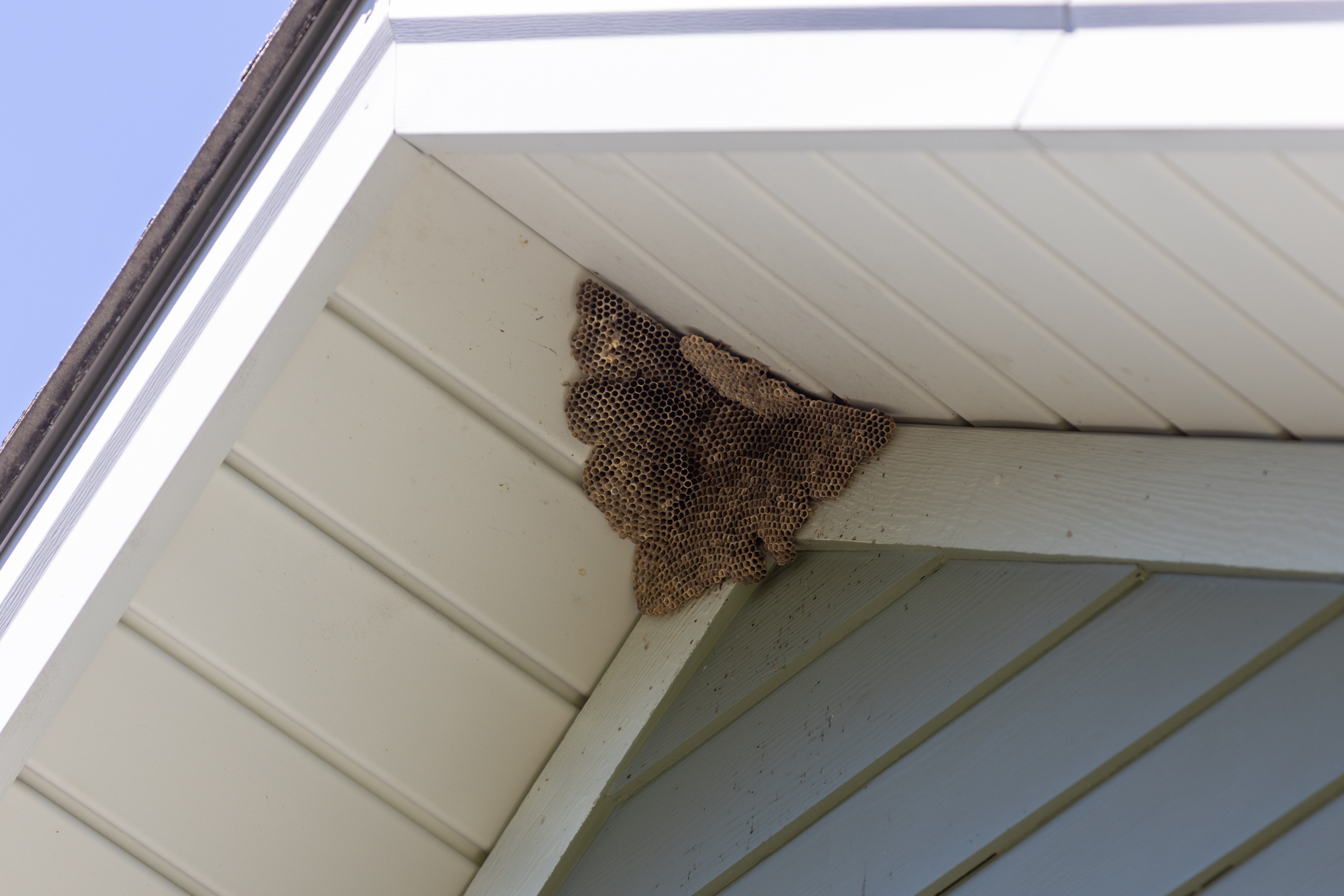
Wasps, hornets, or yellow jackets? How to tell them apart around your WNC home
Wasps, yellow jackets, and hornets are the three stinging insects most WNC homeowners run into, and they’re easier to tell apart once you know what to look for. Wasps build open, umbrella-shaped nests under eaves and are generally the least aggressive. Yellow jackets nest in the ground, in wall voids, or in old stumps, and they’re the ones most likely to get defensive. Hornets build large, enclosed paper nests up in trees and shrubs and will defend that nest hard if it’s disturbed.
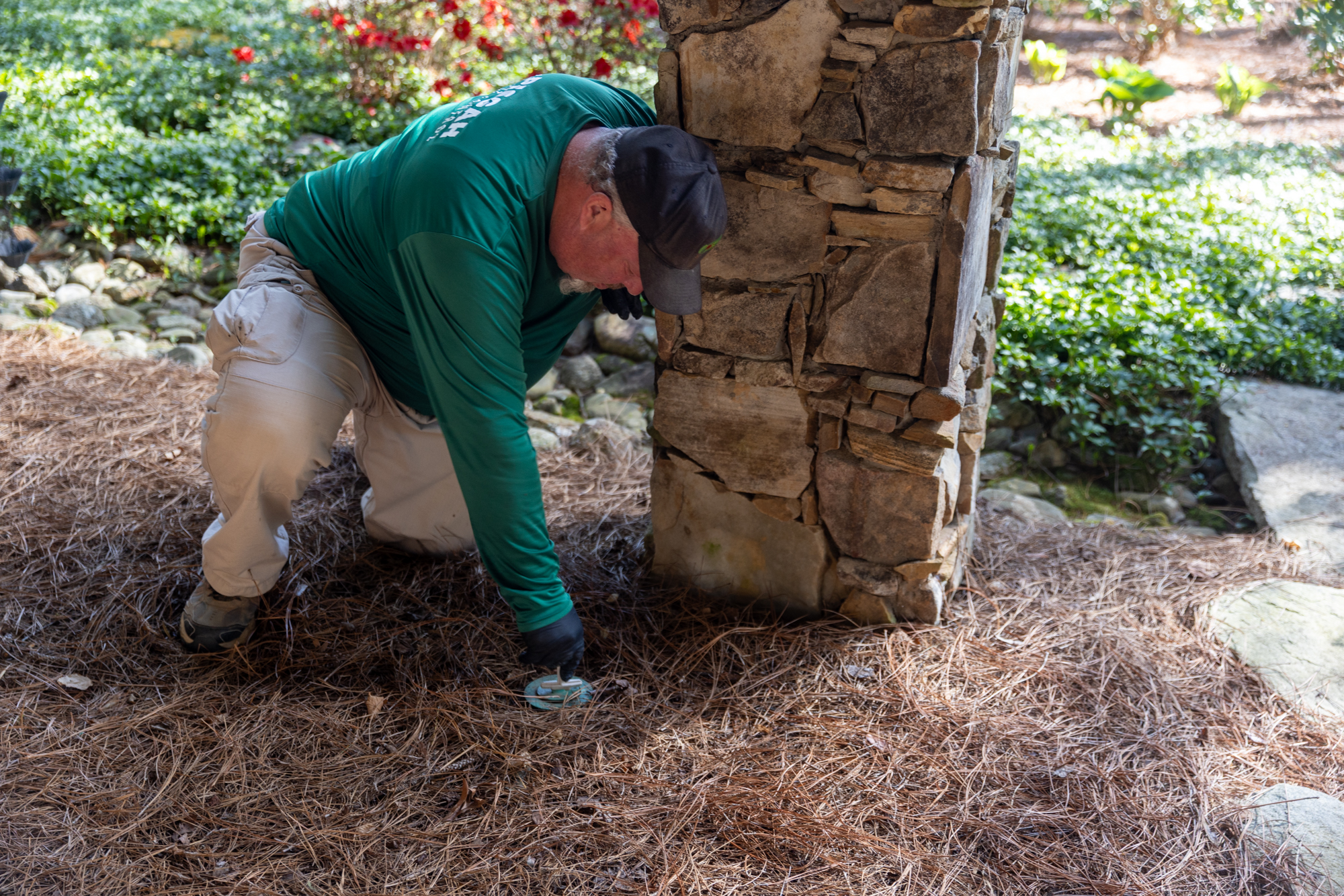
What’s the difference between termite treatment and ongoing termite protection for WNC homes?
A one-time termite treatment can be very effective at addressing an active infestation, but it doesn’t necessarily provide lasting protection against future termite activity. In Western North Carolina, where termite pressure remains consistent throughout much of the year, ongoing monitoring helps catch new activity before it reaches the structure. Understanding the difference between treatment and protection makes it easier to decide what level of coverage fits your home.

Why are mountain homes in WNC at higher risk for termites?
Termites are so common in Western North Carolina because the region offers almost everything Eastern Subterranean Termites need to thrive. Consistent rainfall, humid mountain conditions, wooded landscapes, crawl space construction, and older homes all create an environment where termite colonies can stay active and expand over much of the year. For many homeowners across WNC, termite pressure isn’t an occasional problem. It’s simply part of living in the mountains.

Is my WNC home at higher risk of termites than I think?
If your home has a crawl space, sits on a wooded lot, was built before modern termite prevention standards became common, or spends part of the year unoccupied, there’s a good chance your termite risk is higher than you might think. In Western North Carolina, Eastern Subterranean Termites are a year-round reality, and many of the features that make mountain homes appealing also create conditions termites like. Understanding your risk level is the first step toward protecting your home.
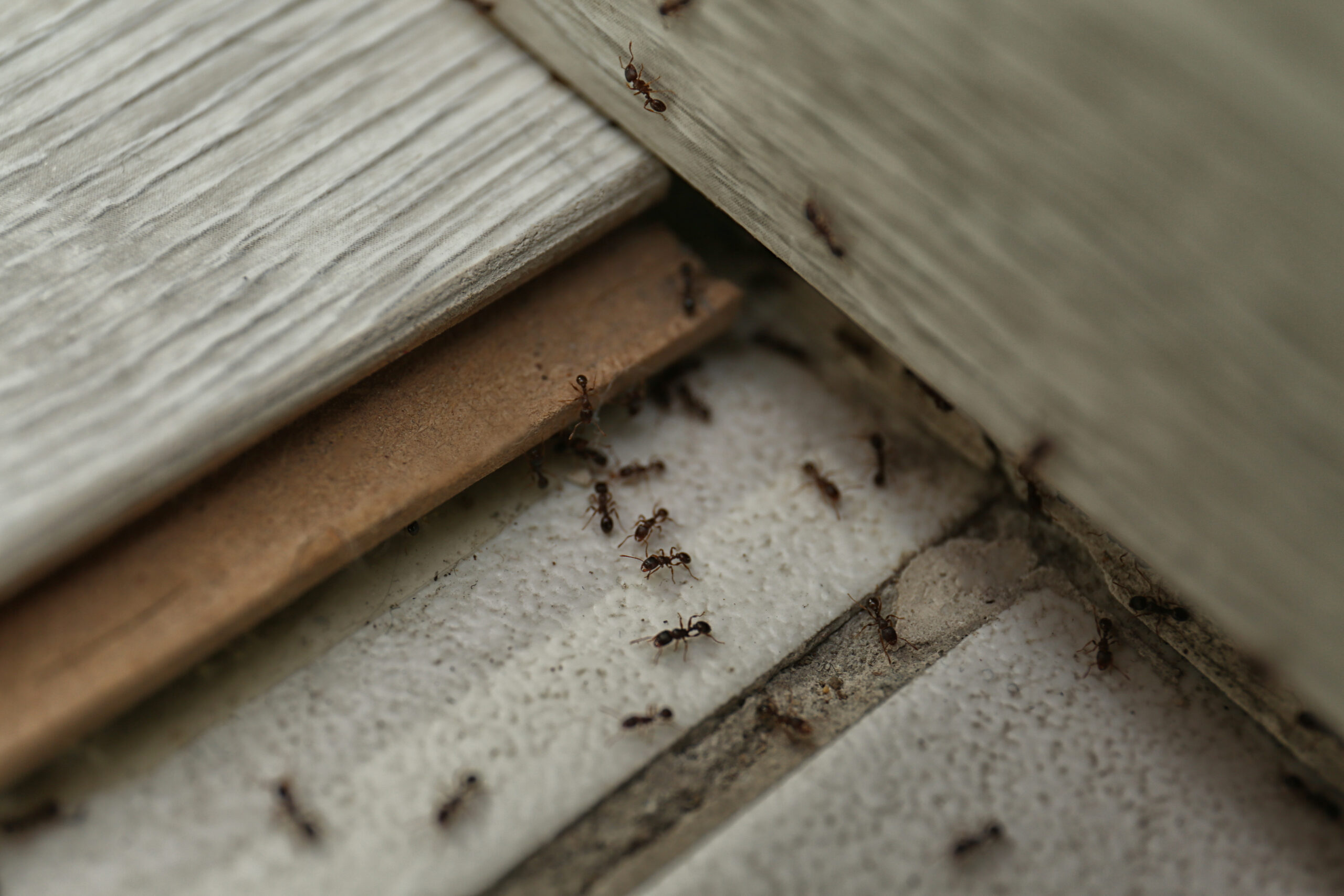
How do you get rid of ants in a WNC home for good?
If ants keep coming back in your Western North Carolina home, it’s usually because the colony hasn’t been treated. Sprays and surface treatments only deal with the ants you can see, not the source. Long-term control comes from identifying the species, targeting the colony, and putting a plan in place to stop them returning.

Carpenter ants vs odorous house ants: What WNC homeowners need to know
If you’ve got ants in your Western North Carolina home, there’s a good chance you’re dealing with either carpenter ants or odorous house ants. They’re the two most common species across WNC in spring and early summer. The key difference comes down to size, behaviour, and where they show up. Knowing which one you’re dealing with helps you take the right next step.
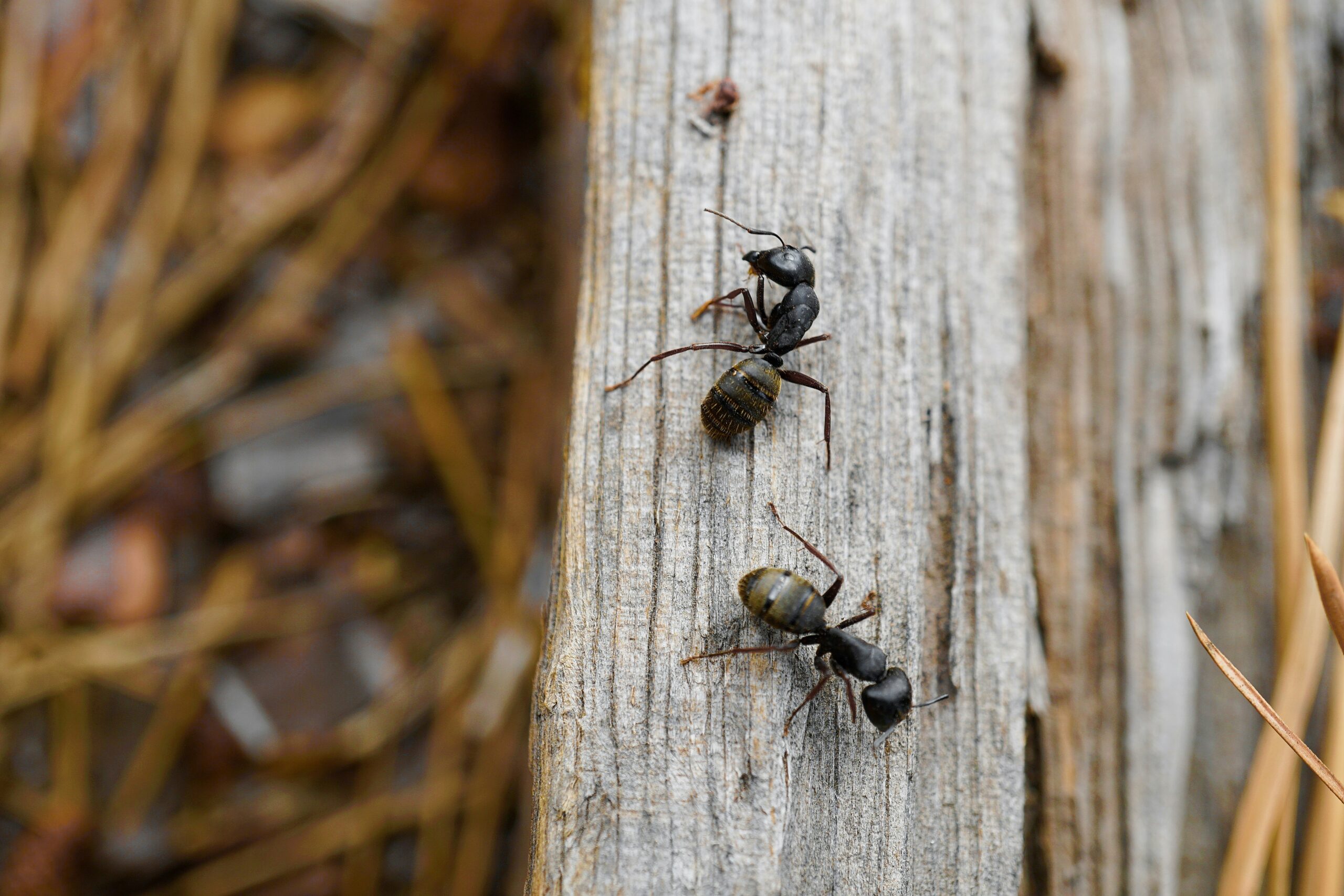
Why are carpenter ants showing up in my WNC home?
If you’re seeing big black ants in your house in Western North Carolina, there’s a good chance they’re carpenter ants. They’re very common here in spring and early summer, especially around homes with moisture and nearby woods. Seeing one or two is not unusual, but regular activity can mean a nest is close by and worth checking out.
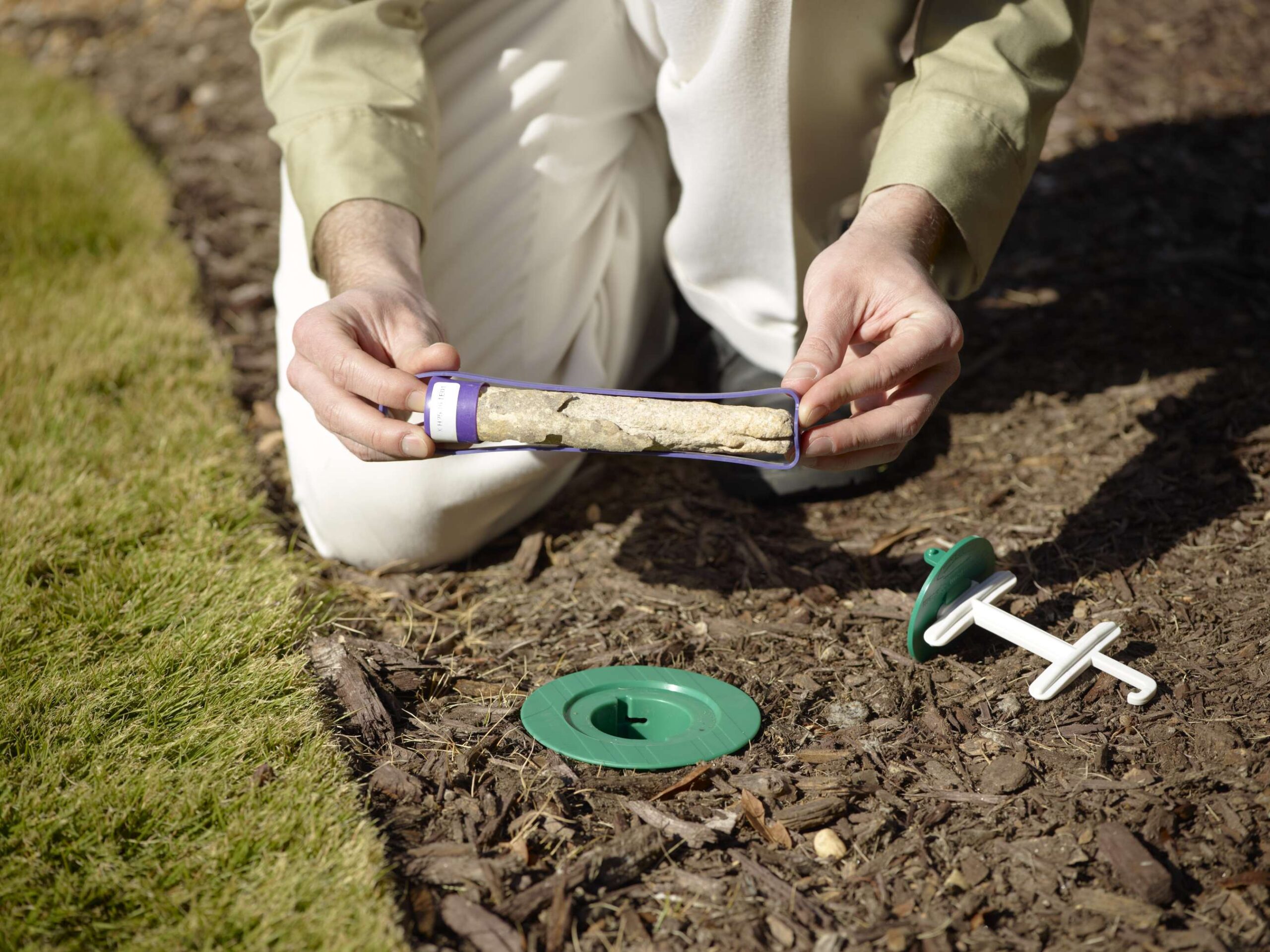
What termite protection do WNC homeowners actually need?
For homeowners in Western North Carolina, termite protection isn’t optional, it’s the right response to a genuinely elevated regional risk. Between the moist mountain soil, wooded surroundings, and crawl space construction common across WNC, conditions are ideal for the Eastern Subterranean Termite year-round. Ongoing monitoring systems like Sentricon® eliminate colonies before serious damage happens, making prevention a smarter and more cost-effective choice than waiting for a problem to show up.
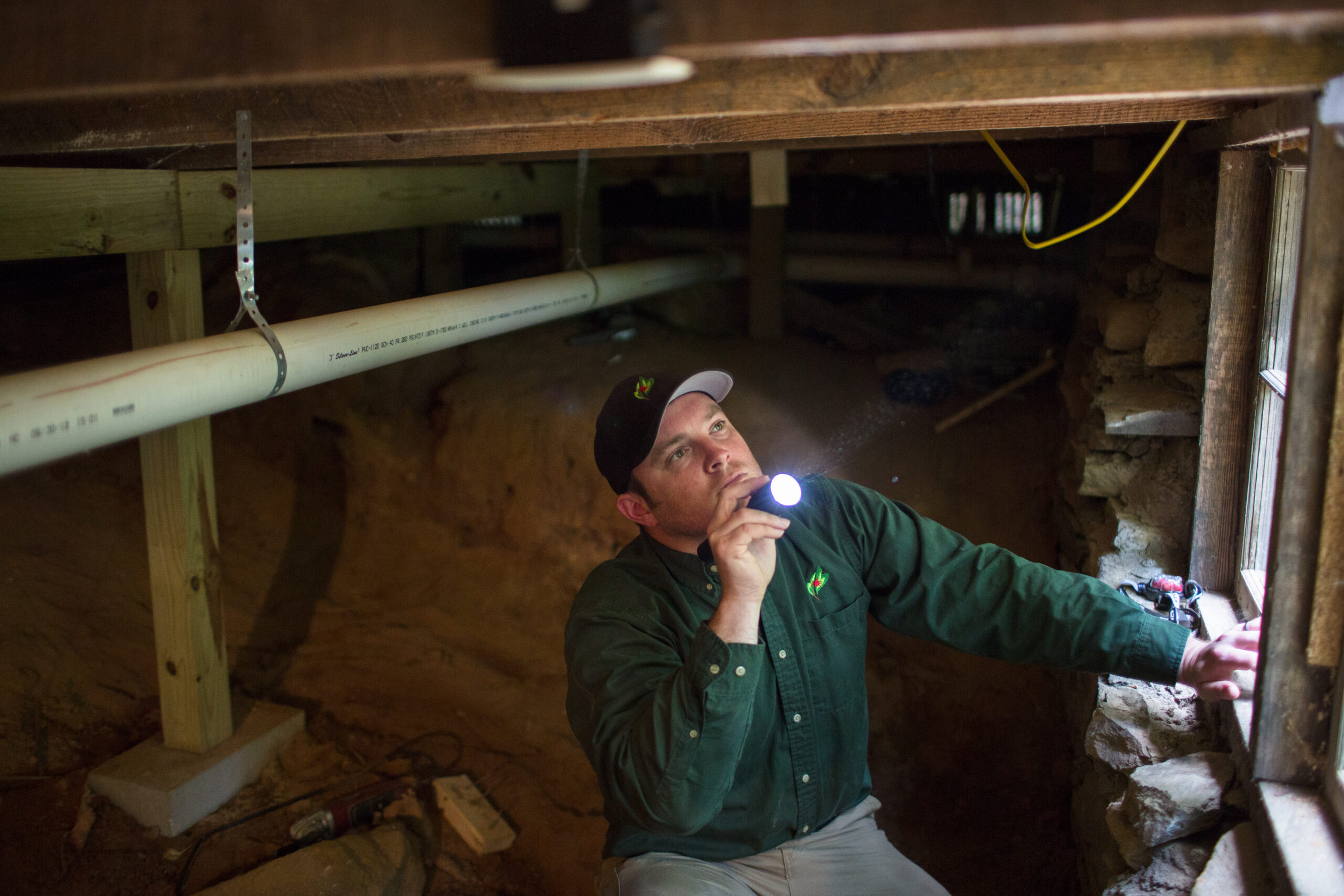
What are the signs of termite activity homeowners should never ignore?
The most common signs of termite activity in WNC homes include mud tubes on foundation walls, discarded wings near windows and doors, hollow-sounding wood, bubbling or cracked paint, and tight-fitting doors or windows. In Western North Carolina, termite damage often goes undetected for three to eight years or more – especially in crawl spaces – which makes knowing what to look for genuinely important.
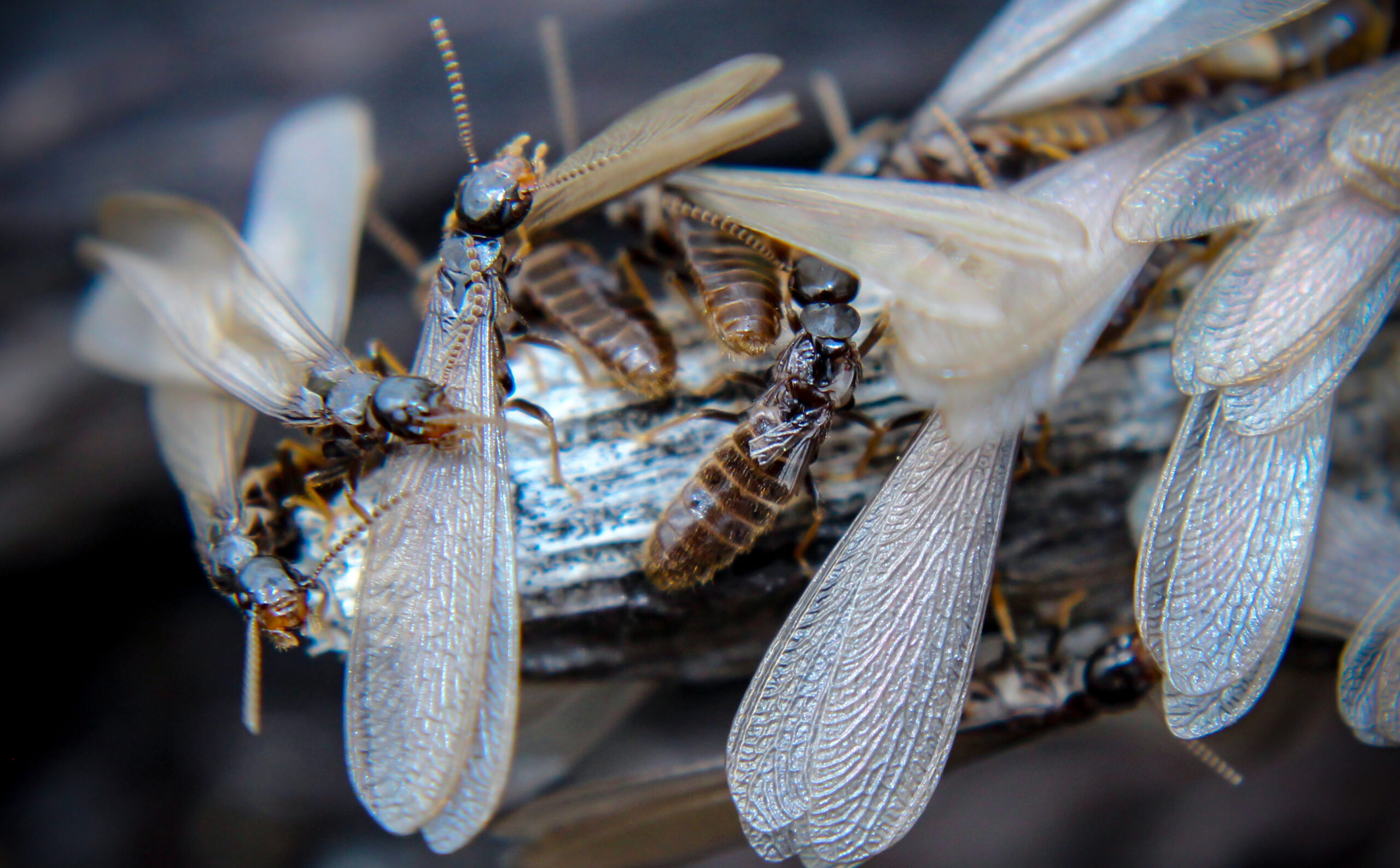
Why do termites swarm in Western North Carolina each spring?
If you’re seeing termites swarming in your house during spring, it usually means there is a mature termite colony nearby – or possibly already inside your home. Swarming is the reproductive stage of the Eastern Subterranean Termite, the primary termite species in Western North Carolina. In mountain communities like Asheville, Brevard, and Hendersonville, swarms typically occur between March and May, often after warm days following rainfall.
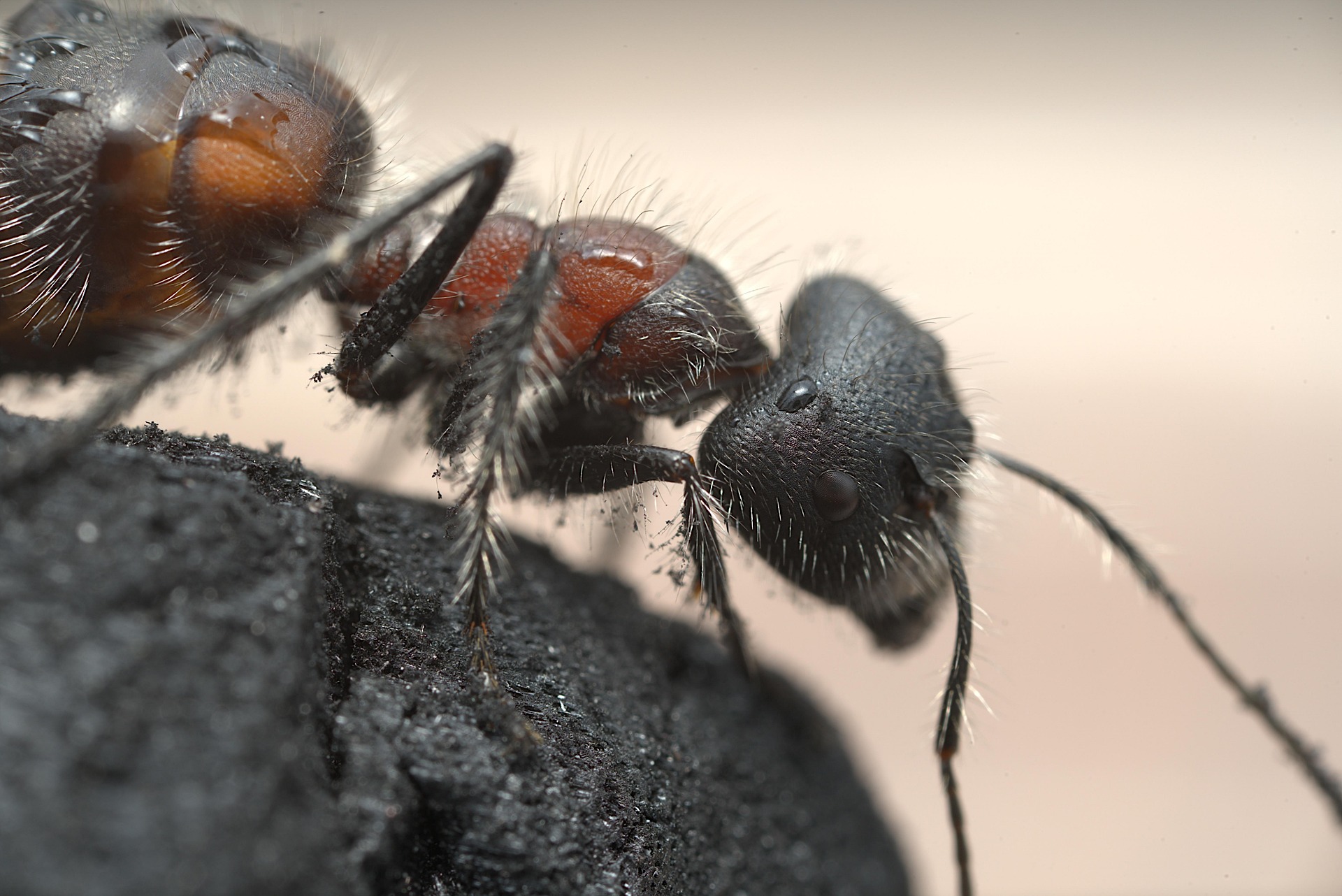
The hidden dangers of carpenter ants in North Carolina homes
Carpenter ants are one of the most misunderstood pests in North Carolina. Many homeowners assume they’re just “big black ants” that wander indoors - but the truth is that carpenter ants can cause serious structural damage if left untreated. Unlike termites, they don’t...
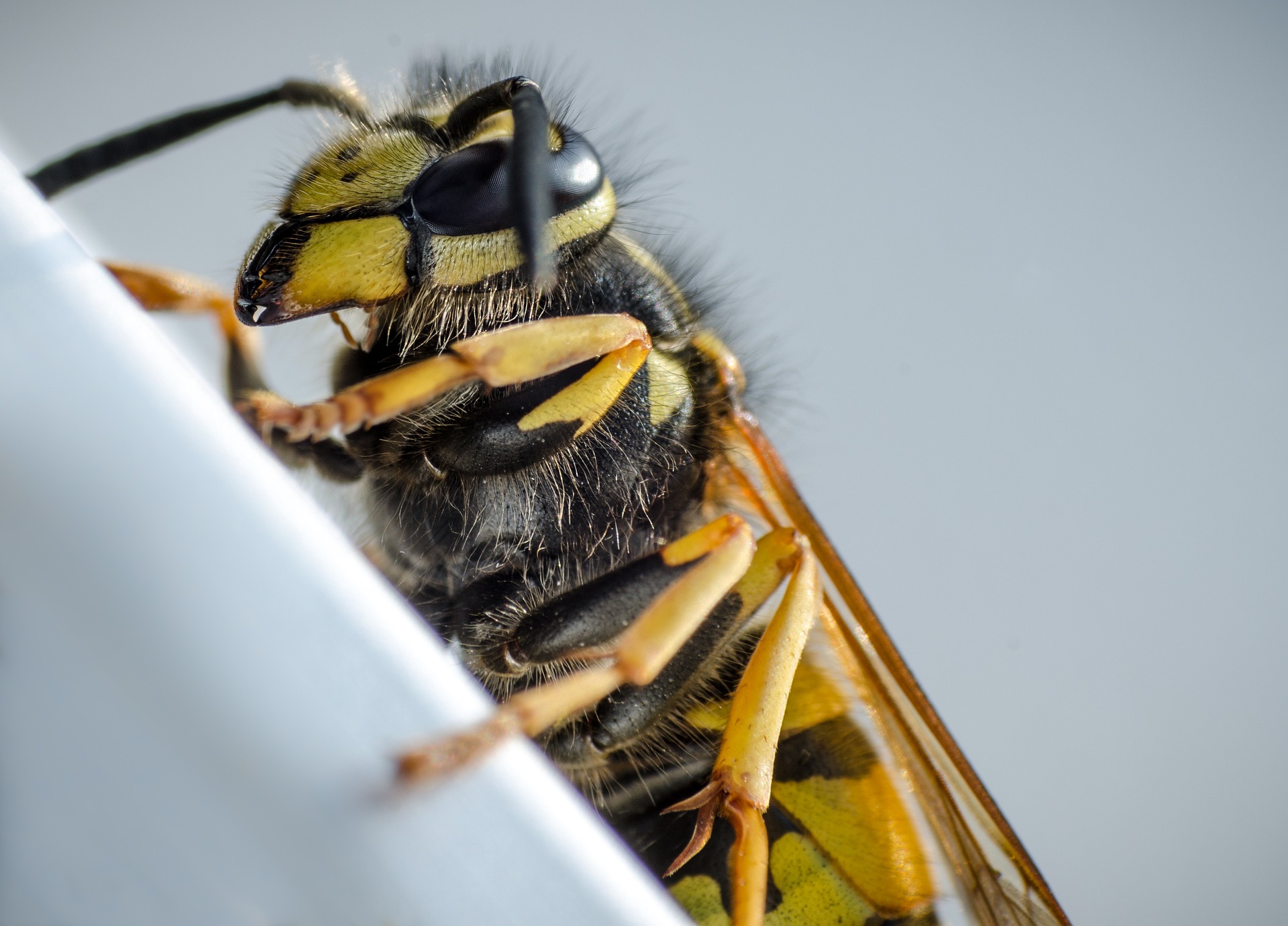
Understanding yellow jackets in North Carolina – Behavior, risks & safe removal
Few pests strike fear quite like yellow jacket wasps - and for good reason. These aggressive stinging insects are known for their speed, painful stings, and willingness to defend their nests with force. In North Carolina summers and early fall, yellow jacket activity...

Pest prevention tips for fall in NC
As the leaves change color and the temperatures drop in North Carolina, pests start looking for a warm, safe place to spend the winter. Unfortunately, that often means your home becomes their target. From mice in the attic to spiders in the basement, fall is the time...

Termites in North Carolina – Everything you need to know
Termites are one of the most destructive pests homeowners can face, especially in a warm and humid state like North Carolina. If you live here, understanding what termites look like, where they live, and how they cause damage is key to protecting your home and property.

Upholding excellence through core values
In the dynamic world of pest control, where trust and reliability are paramount, Pisgah Pest Control stands out as a beacon of integrity and commitment. At the heart of our business are four core values that serve as the guiding principles for every aspect of our...
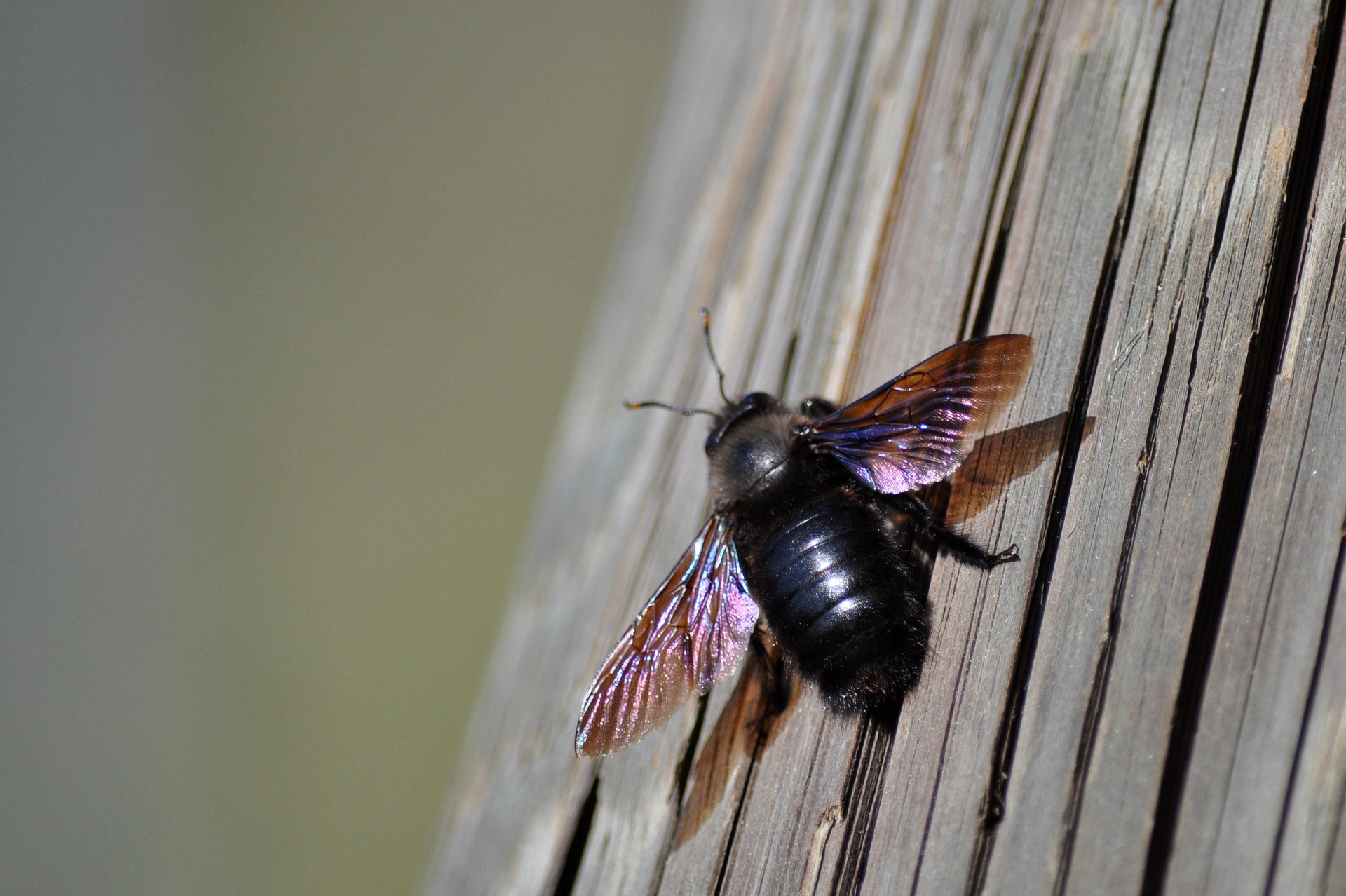
Why are carpenter bees a cause for concern?
Carpenter bees pose a threat as they bore holes into sound wood and sometimes decaying wood. While this may not be problematic in a forest setting, it becomes a significant issue when the wood is utilized in constructing structures such as porches, decks, or entire houses. The presence of numerous holes in your porch, for example, is far from an ideal situation.

Sean and Shawn in Washington, D.C.
Sean Snowdon, Pisgah Pest Control’s Chief Operations Officer, and Shawn White, Chief Executive Officer, attended the National Pest Management Association’s legislative day event in Washington, D.C. this month. Mr. Snowdon serves as an at-large director for the North Carolina Pest Management Association for the western region of North Carolina. Mr. White serves on the recruitment and retention committee for the National Pest Management Association. Together with pest control industry leaders from across the United States, they met with senators and representatives in Congress and their staffs to discuss the importance of structural pest control and how they could best help us protect the health, property, and businesses we serve.